Imagine a farmer, miles away from his fields, comfortably controlling a tractor planting seeds with pinpoint accuracy, all from the warmth of his home. This isn't science fiction; it's the reality John Deere's remote-controlled tractors are making possible. Learn more about this technology at John Deere's Remote Tractors. This long-form article explores how these high-tech machines are revolutionizing agriculture, increasing efficiency, sustainability, and even safety. We'll delve into the benefits, the mechanics, and the challenges to understand the impact of this technology on food production.
Driving the Future: How John Deere's Remote-Controlled Tractors Work
Forget the image of a lone farmer battling the elements. John Deere's remote-controlled tractors allow for operation from a comfortable office, tablet, or specialized control panel. These aren't simple farming machines; they're packed with advanced GPS, a network of sensors monitoring soil conditions and location, and a powerful wireless connection. This data flows to your control station, giving complete control from miles away.
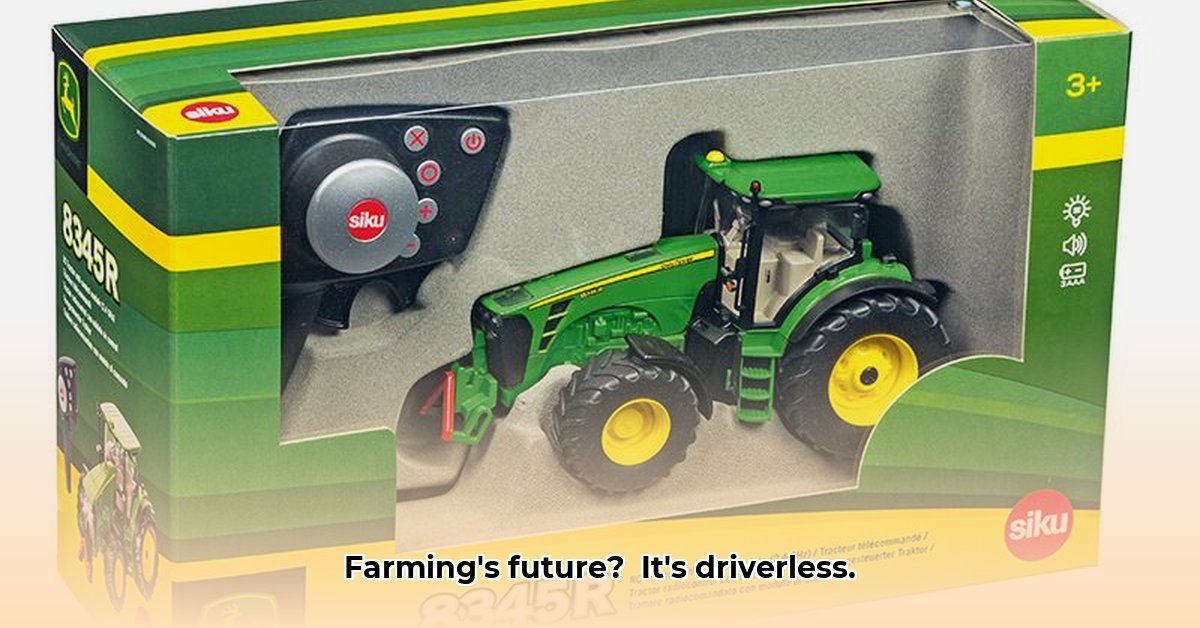
The tractors themselves are sophisticated robots, following pre-programmed routes with pinpoint accuracy. They adjust actions based on real-time sensor feedback. Need to avoid a muddy patch? The tractor automatically adjusts. Want to increase fertilizer application based on soil analysis? It handles this seamlessly. It's like having a tireless, super-efficient worker operating day and night. John Deere offers several models (e.g., the 6210R and 8345R), each with varying features, indicating a continuous evolution of the technology.
The Upsides: A Revolution in Farming Efficiency
The advantages of remote-controlled tractors are numerous, profoundly impacting farming efficiency and sustainability.
Labor Savings: One operator can manage multiple tractors simultaneously, eliminating the need for multiple drivers and boosting productivity. This directly addresses current agricultural labor shortages. Isn't this efficiency increase a critical factor for farm profitability?
Precision Farming: These tractors provide unparalleled accuracy in planting, fertilizing, and harvesting, minimizing waste and maximizing resource utilization. This precision results in less wasted time, resources, and money.
Environmental Benefits: Optimized resource use inherently reduces environmental impact. Less fertilizer means less runoff, fewer pesticides mean less harm to beneficial insects, and lower fuel consumption conserves resources. How can this enhanced sustainability translate into long-term benefits for farmers and ecosystems?
The Challenges: A Balanced Perspective
While promising, the transition to remote-controlled farming isn't without its hurdles.
High Initial Cost: The technology represents a substantial initial investment, potentially posing a barrier for smaller farms. What financing options are available to mitigate these high upfront expenses?
Internet Connectivity: Reliable internet is crucial, and many rural areas lack sufficient bandwidth. Service disruptions could halt operations. How can the reliance on consistent connectivity be addressed in areas with limited infrastructure?
Technical Glitches: While infrequent, malfunctions can lead to costly delays and repairs. What backup systems and maintenance plans are necessary to minimize the impact of such events?
Safety and Regulations: Safety is paramount. Robust regulations and safety protocols are still developing to ensure responsible use of this technology. How are these safety protocols evolving to meet the unique challenges posed by remote operation?
The Future of Farming: A Look Ahead
Despite these challenges, the future of remote-controlled farming looks bright. Advancements will likely drive down costs and enhance reliability. Government incentives and improved rural internet infrastructure will expand accessibility. Envision a future of autonomous farms, optimizing resource allocation and minimizing environmental impact – a reality quickly becoming tangible. John Deere's remote-controlled tractors lead this transformation.
Actionable Steps for Successful Integration
Successful adoption requires a collaborative effort:
| Stakeholder Group | Short-Term Actions | Long-Term Actions |
|---|---|---|
| Large Farms | Trial runs; financial analysis; operator training. | Complete integration; data-driven management; strategic investment in upgrades. |
| Small Farms | Explore leasing; cooperative ownership; government subsidies. | Shared equipment; targeted training; lobby for supportive policies. |
| John Deere | Enhance system reliability; reduce costs; user-friendly interfaces. | Customizable systems; seamless software integration; autonomous capability research. |
| Governments & Regulators | Safety standards; invest in rural broadband. | Financial incentives; fund autonomous farming research; supportive regulations. |
John Deere's remote-controlled tractors are revolutionizing agriculture. This isn't just about machines; it’s about empowering farmers for a smarter, more sustainable future. The transition requires careful planning, investment, and collaboration but promises significant long-term benefits and lays the groundwork for a more efficient and sustainable agricultural sector.